Piggy Care 101
Guinea Pig Bedding: Fleece, Paper and Wood Compared
Absorbency, dust, cleaning effort and the source disagreement shoppers should know about.
October 7, 2026 · The Guinea Giggles family
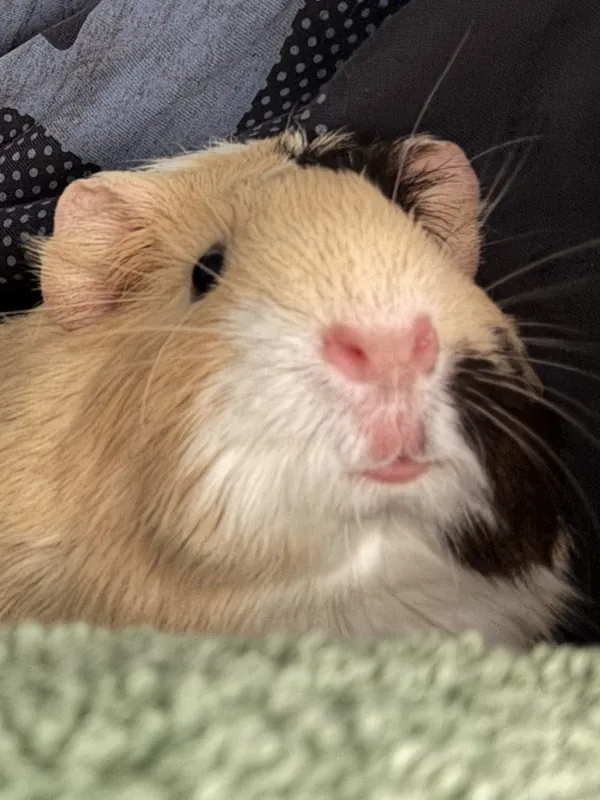
The most beautiful enclosure in the world still fails if the floor stays wet or dusty. Bedding is not just decoration: it has to keep a guinea pig's feet dry, support safe movement and survive real-life cleaning.
Fleece: reusable, but not maintenance-free
A fleece system needs an appropriate absorbent layer underneath. A lone piece of fleece on a solid base can trap moisture against paws. Good systems wick liquid downward, stay flat, and are changed whenever they become wet or dirty.
Pros: reusable, easy to inspect, potentially lower ongoing supply cost. Watch for: poor wicking, loose loops or threads, bunching, and household laundry capacity. Sweep droppings and hay every day; change wet sections immediately rather than waiting for "laundry day."
Paper: practical and often the simplest starting point
Soft, unscented, low-dust paper-based bedding is recommended by multiple veterinary and welfare sources. It can be placed deep enough to absorb moisture and can be removed in soiled sections. Pros: no special laundry system and easy spot-cleaning. Watch for: dust, inadequate depth, recurring purchases and damp patches.
What about aspen or kiln-dried pine?
This is where the internet often pretends there is one universal answer. There is not. Merck's pet-owner guidance allows kiln-dried pine while advising against cedar and raw pine. Its professional veterinary guidance is more conservative about wood shavings generally, and VCA favors recycled paper. Some specialist keepers use aspen, but product processing and dust quality vary.
For a general public guide, low-dust paper or an appropriately layered fleece system is the clearer default. Discuss wood products with a guinea-pig-experienced veterinarian rather than declaring every aspen or pine bag safe. Avoid cedar, raw aromatic pine, sawdust, strongly scented bedding and clumping cat litter.
The cleaning schedule is driven by wetness
Remove wet and heavily soiled areas daily, refresh hay and water, and thoroughly clean the enclosure on a routine that keeps everything dry. Weekly deep cleaning is a common baseline, but a crowded habitat or wet area can require earlier action. The calendar does not override what your eyes, hands and nose are telling you.
If feet look red or sore, your guinea pig wheezes or sneezes unusually, or the enclosure develops persistent moisture, contact a veterinarian and reconsider the environment promptly.
Care note: Educational information, not a diagnosis. Sudden refusal to eat, marked changes in droppings, difficulty breathing, or unusual lethargy require prompt advice from a veterinarian experienced with guinea pigs.
Enjoyed this? Get one every Wednesday
One short email every Wednesday: the week's guide, a quick tip, and what's coming Friday. Unsubscribe any time.
We email only the newsletter, and you confirm your address first. See our privacy policy.