Piggy Care 101
The Ultimate Beginner's Guide to Guinea Pig Care
Everything new guinea pig owners need: food, housing, companionship, cleaning, costs, and the mistakes to avoid — from two real guinea pig dads' pigs, Banana & Creamy.
October 13, 2026 · The Guinea Giggles family
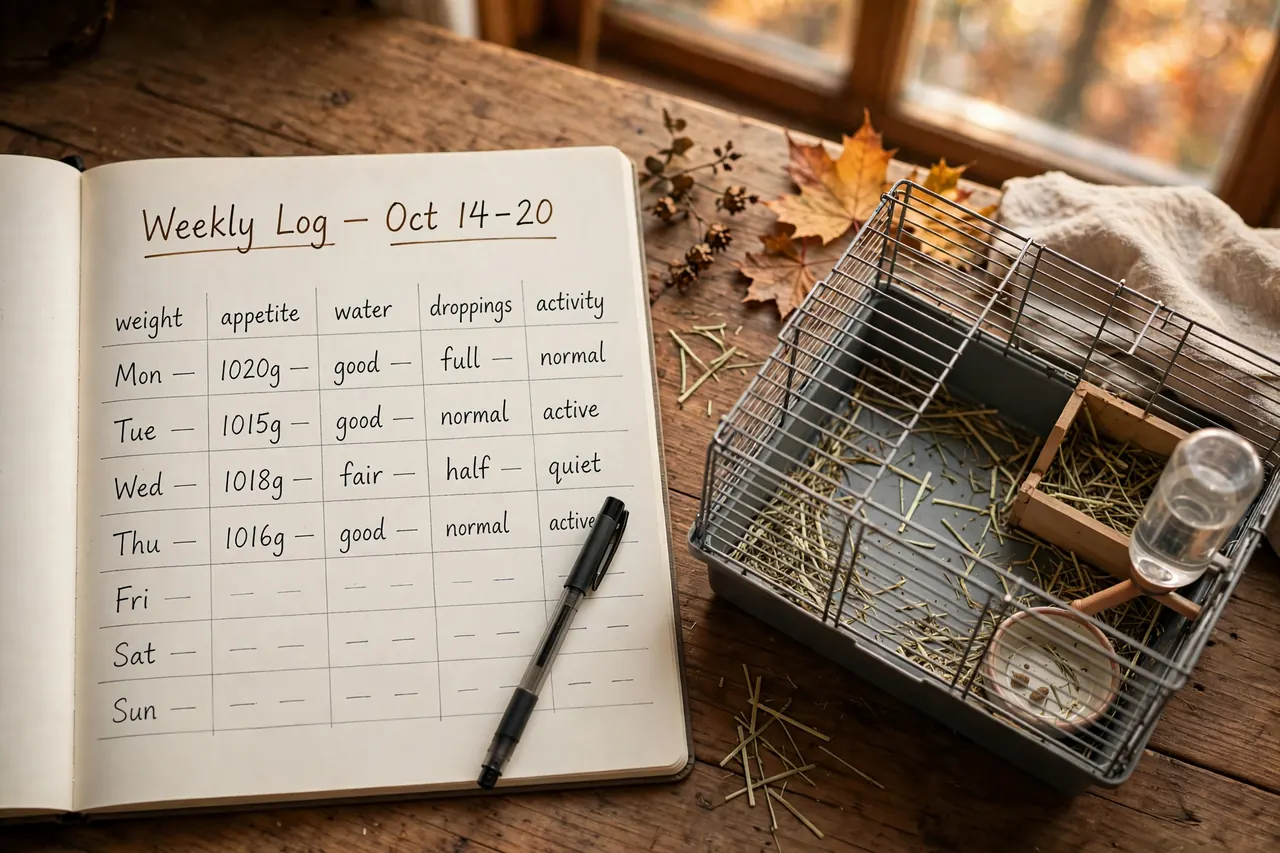
So you're getting guinea pigs. Good choice — honestly, they're the best small pets nobody takes seriously enough. Here's everything a beginner needs, in one place. (Our pigs, Banana and Creamy, supervised this article. They were asleep.)
The five non-negotiables
1. Unlimited grass hay, always. Timothy or orchard grass for adults (alfalfa only for babies under 6 months and pregnant sows). Hay should never run out — it wears down their constantly growing teeth and keeps digestion moving. This is the single most important item in guinea pig care.
2. A friend. Guinea pigs are herd animals. One alone gets lonely, no matter how much you hold them. Adopt a same-sex pair, or a neutered male with females. (Don't pair with rabbits — rabbits carry bacteria that can be fatal to guinea pigs, and they bully them. The RVC's exotic vets are blunt about this.)
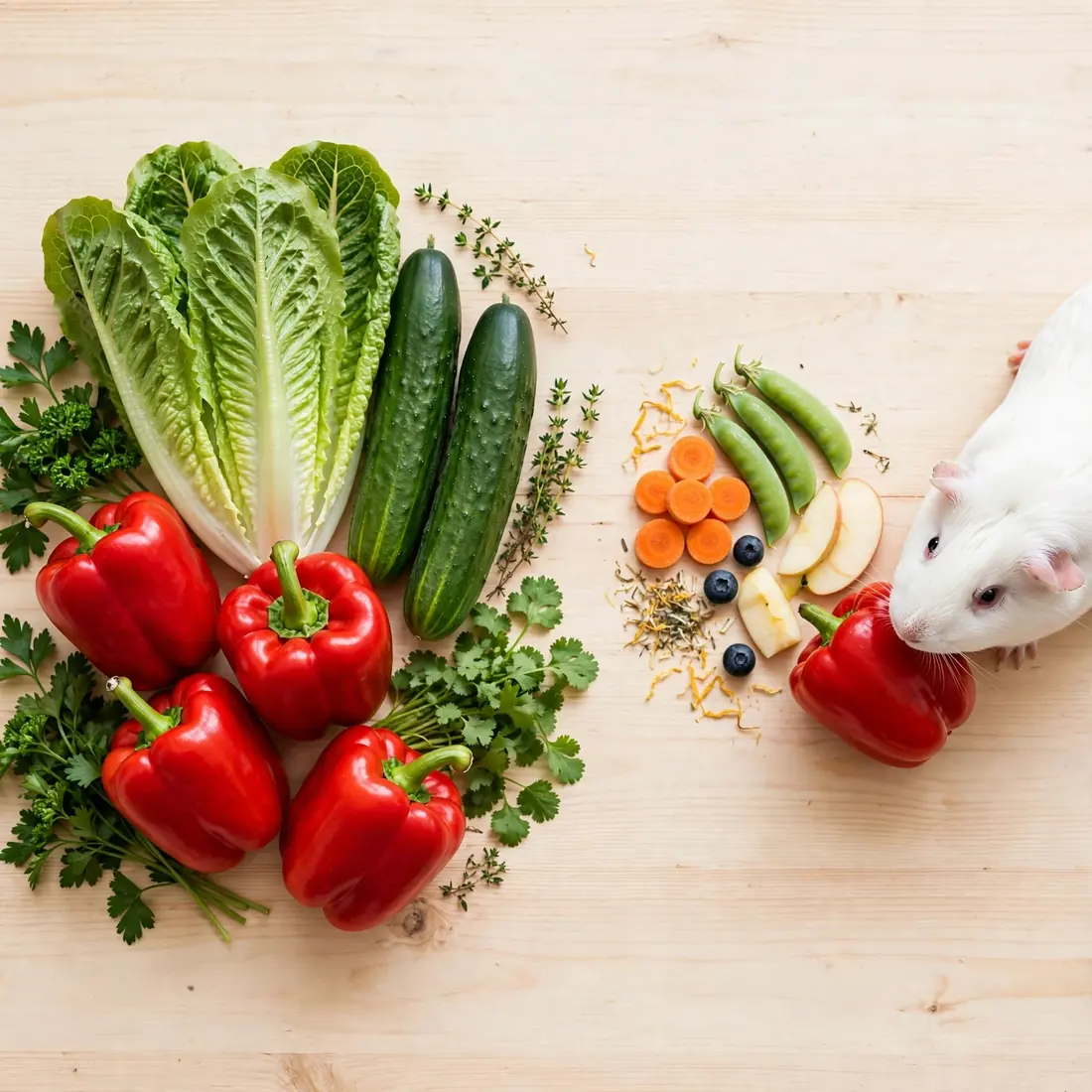
3. Vitamin C, every day. Guinea pigs can't make their own vitamin C — same as humans. Without it they develop scurvy: lethargy, rough coat, swollen joints. Daily veg does the job: bell peppers, romaine lettuce (never iceberg), cucumber, herbs. About a cup of fresh vegetables per pig per day. Pellets with stabilized vitamin C help, but vitamin C degrades in water drops fast — RVC notes those can't be relied on.
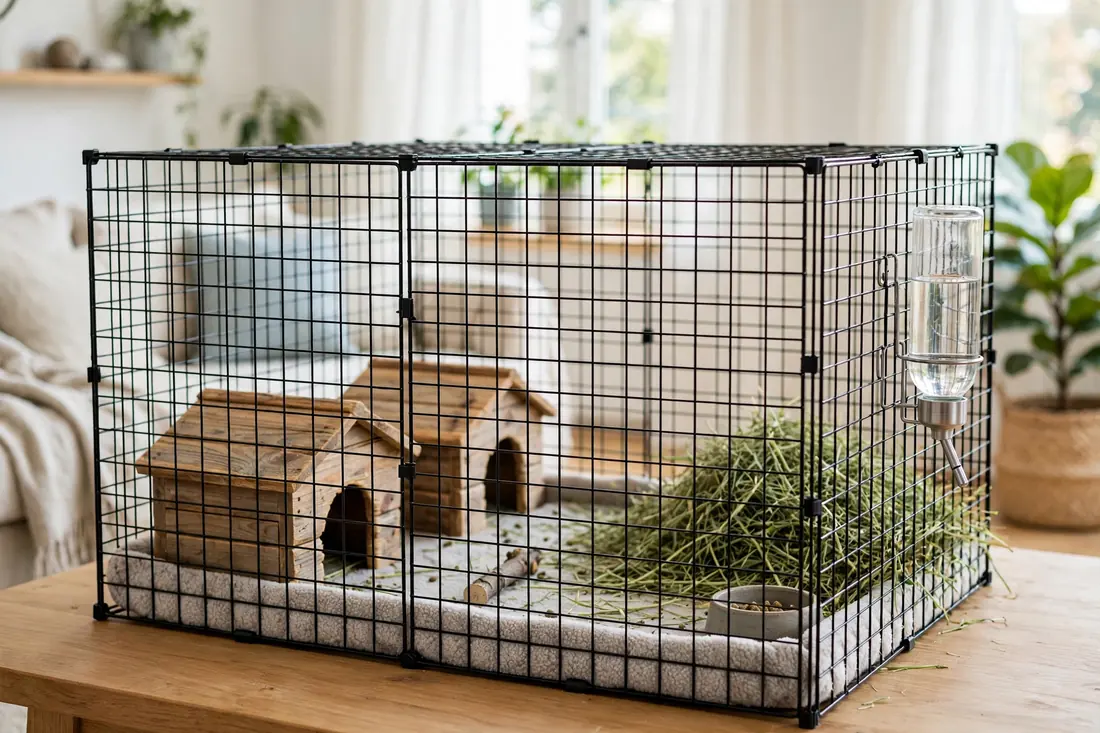
4. Real space. The RSPCA's minimum for a pair is 120 × 60 cm (about 4 × 2 feet) — and bigger is always better. Most pet-store starter cages are too small. A 2×4 C&C cage is the sweet spot for two females; two males want a 2×5. Solid floor, good ventilation, at least one hideout per pig, no ramps that are steeper than a lazy Sunday.
5. An exotic vet, found before you need one. Not every vet treats guinea pigs well. Find an exotic-animal vet now, while everyone's healthy. Warning signs that mean go today: not eating, labored breathing, discharge from eyes or nose, bloated belly, sudden lethargy.
What they eat (the quick version)
| Every day | Sometimes | Never |
|---|---|---|
| Unlimited grass hay | Carrots (small) | Iceberg lettuce |
| 1/8–1/4 cup vitamin-C pellets | Fruit (tiny bits) | Potato, onion, garlic |
| ~1 cup fresh veg per pig | Broccoli, spinach (small) | Seeds, nuts, dairy, bread |
| Fresh water | Banana, strawberry | Chocolate, rabbit food, avocado |
Introduce new foods slowly — guinea pigs develop food preferences young and can refuse unfamiliar food entirely.
Cleaning (less scary than it sounds)
- Daily: refill hay and water, spot-clean poops, quick veggie run
- Weekly: full bedding change, wipe down the enclosure, wash bottles
- Fleece bedding needs a daily poop-sweep with a small broom — it takes three minutes once it's a habit.
What it costs (honest version)
Expect roughly $150–300 to set up two pigs properly (cage, bedding, bottles, hideouts, first hay/pellets), then $30–60/month for hay, pellets, and veg. The expensive part is the vet — budget a few hundred a year, because exotic vet visits aren't cheap.
The three beginner mistakes everyone makes
- Buying the pet-store cage. It's too small. Build or buy bigger.
- One pig. Get two. You'll thank yourself.
- Water-bottle vitamin drops as the plan. They're not reliable. Fresh vegetables are.
Quick-start checklist
- ☐ 120×60cm+ cage with solid floor
- ☐ Timothy or orchard grass hay (lots)
- ☐ Vitamin-C guinea pig pellets
- ☐ Water bottle + daily refills
- ☐ Two hideouts minimum
- ☐ Fleece or paper bedding (no cedar/pine shavings)
- ☐ Nail clippers, a small dustpan, laundry bags
- ☐ Exotic vet's number in your phone
- ☐ A second pig
More illustrations
Care note: Educational information, not a diagnosis. Sudden refusal to eat, marked changes in droppings, difficulty breathing, or unusual lethargy require prompt advice from a veterinarian experienced with guinea pigs.
Enjoyed this? Get one every Wednesday
One short email every Wednesday: the week's guide, a quick tip, and what's coming Friday. Unsubscribe any time.
We email only the newsletter, and you confirm your address first. See our privacy policy.